
Chaffee County Arrest Warrants Explained
Probable cause is the foundation. It means a reasonable factual basis to believe an offense occurred and that the named person committed it. An officer swears those facts out in an affidavit or complaint. A judicial officer reviews it independently. The signature that follows authorizes the arrest. Where the case lands depends on the charge. Chaffee County sits in Colorado's 11th Judicial District, so state arrest-warrant matters route through Chaffee Combined Court. Municipal courts keep their own ordinance and traffic cases, federal warrants belong to the U.S. District Court for the District of Colorado, and a source at one layer cannot certify a warrant held by another.
The 11th District Email-Warrant Workflow
The district's August 2024 Email Warrants order gives Chaffee County a local path for electronic review. The process runs by email. An officer sends the warrant application and affidavit to the designated ChaffeeWarrants channel. A judicial officer in Chaffee County weighs the facts. That reviewer also resolves bond and special conditions. If approved, a signed warrant comes back. The officer must later file the signed materials and the return with the court. A return is the filed record of execution or other action on the warrant. It is not a public roster. This workflow is why a newly signed or restricted Chaffee County order may not show up in a public calendar search, and the clerk, sheriff, and docket may hold different pieces at different times.
Inside a Chaffee County Arrest Warrant
The signed order targets one person. Access depends on sealing. Investigatory limits and court rules matter too, so when Chaffee County opens the record, read the court, case identifiers, issue date, charge, bond, and status together.
| Case or warrant number | A court identifier, such as a redacted example 20XX-CR-#####, used to match the file. |
|---|---|
| Named subject | The person whom the order authorizes officers to arrest. |
| Charge or offense | The alleged Colorado offense and classification supporting the order. |
| Issuing court | The judicial officer and court that reviewed probable cause. |
| Bond and conditions | The bond type or amount and any special conditions set on the warrant. |
| Issue and status facts | Issue date plus later execution, return, recall, or restriction information when available. |
Who Sets Bond on the Warrant
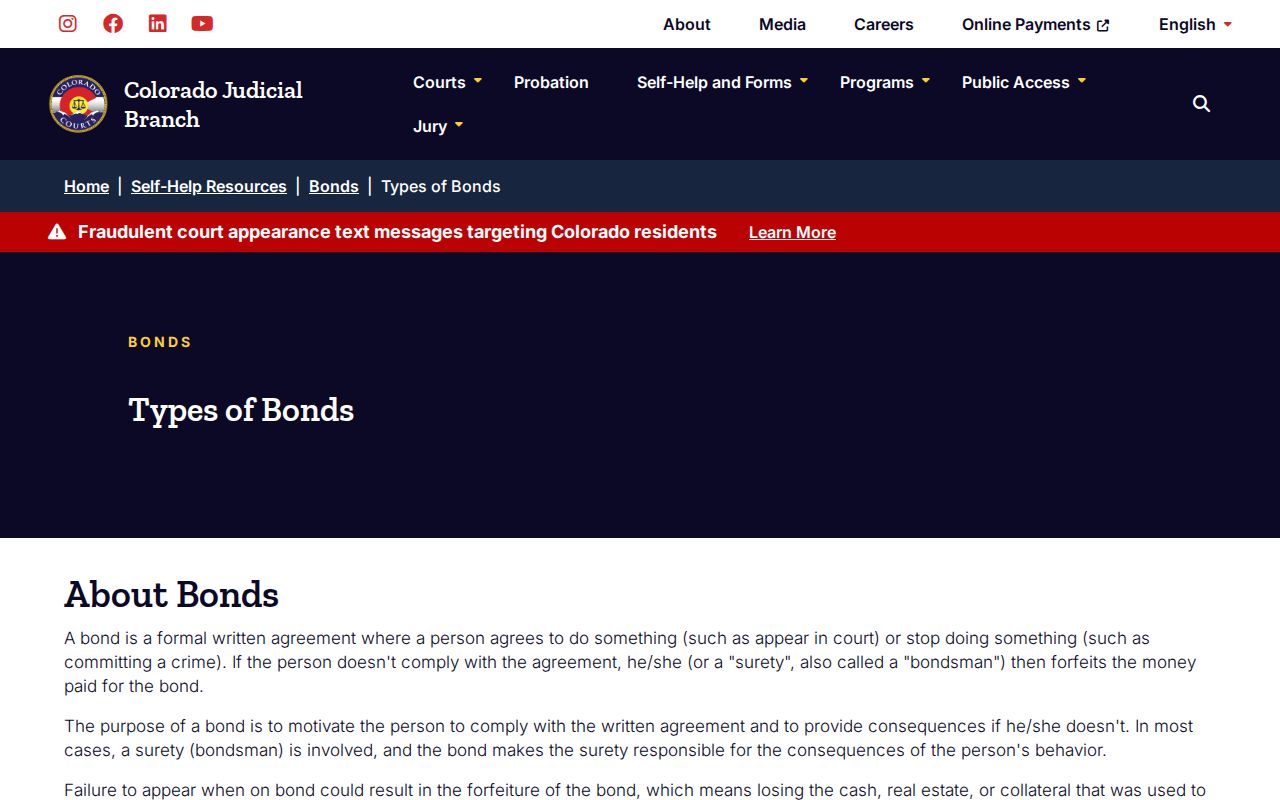
Bond comes from the bench. The judicial officer signing a Chaffee County arrest warrant sets its bond and special conditions. The 11th Judicial District's 2025 schedule chiefly governs warrantless arrests. Its rows do not override the signed warrant. The official Colorado types-of-bonds page outlines the judge-set bond categories and explains that a missed appearance can forfeit bond.
Here is the practical catch. A bond payment receipt in Chaffee County does not prove recall, dismissal, or final case disposition.
Serving Arrest Warrants in Chaffee County
Any Chaffee County sheriff's deputy or other authorized officer can execute a valid warrant. Execution means carrying out the arrest order. Booking follows, and the court or jail applies the warrant's bond and conditions. The officer then files a return. That return lets the issuing court update the case. For questions by phone, the Chaffee County detention center confirms only custody and bond status, not a warrant image, criminal history, or case narrative. Court documents stay with the clerk. Sheriff-held reports go through Sheriff's Records at 641 West 3rd Street in Salida, reachable at 719-539-2814 Monday through Thursday from 8 a.m. to 5 p.m. Release timing after booking depends on the warrant. Every bond condition must be met too. The county jail requires court documents to arrive before any PR release, and processing alone can take more than an hour. Once PR or cash conditions are satisfied, the jail allows six hours for release absent extraordinary circumstances. An electronic-monitoring hold may stretch to 24 hours. These are jail process limits for Chaffee County, not promises about the judge's later rulings.
Warrant Arrest and Warrantless Arrest
A warrant arrest follows a signed judicial order. A warrantless arrest begins without one. Colorado law and the district schedule require prompt judicial review of that custody. The 2025 order calls for a bond hearing no later than 48 hours after arrival, subject to the stated legal rules and exceptions. Weekends have their own docket. The official weekend bond-hearing schedule lists Chaffee County hearings at 6 p.m. Saturday and another at the same time the next day.
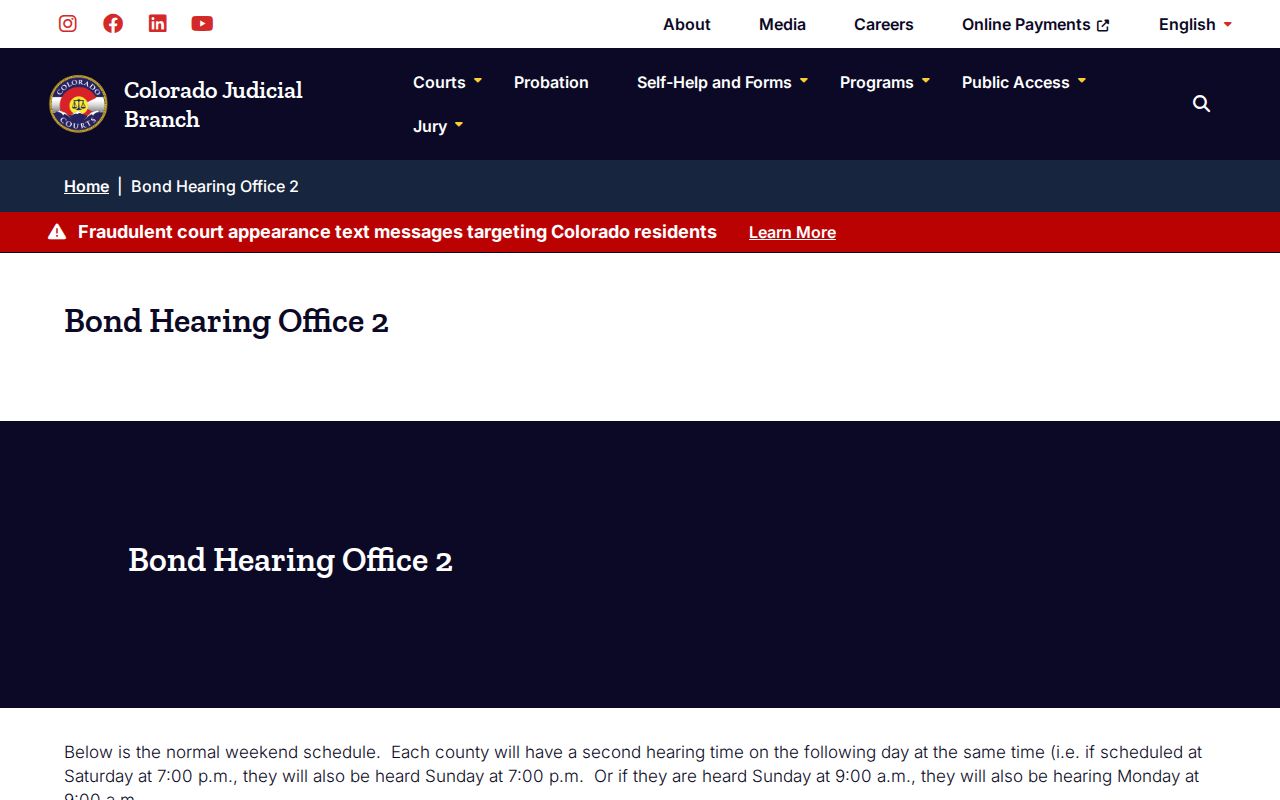
That schedule offers a hearing route. It does not promise every Chaffee County defendant a standard bond amount or release at a fixed time.
Comparing Arrest, Summons, and Bench Warrants
These three tools demand different responses. A summons orders an appearance without any custodial arrest. An arrest warrant authorizes custody based on probable cause, while a bench warrant follows a missed duty in a case already open. Chaffee County failure-to-appear orders get more detail in the bench warrant search reference.
| Feature | Arrest Warrant | Summons | Bench Warrant |
|---|---|---|---|
| What it orders | Arrest | Appearance on a set date | Arrest for a missed obligation |
| Basis | Probable cause | Charge handled without initial custody | Failure to appear or comply |
| Issuer | Judge or magistrate | Court or authorized officer | Judge in the existing case |
| Response | Attorney-guided surrender, bond, court | Appear as directed | Seek recall or quash and appear |
A Docket Cannot Certify an Arrest Warrant
Colorado Docket Search is a starting point. It reveals a hearing, case number, courtroom, and appearance type. It does not label every arrest warrant. Nor does it prove service, return, or recall. Search Chaffee County with a narrow date or case filter, then ask the clerk at 719-539-2561 to confirm the judicial record. Sheriff-held reports go through the Sheriff's Records request route. Custody and bond questions belong to the detention center, possible federal matters to PACER or the District of Colorado clerk, and Chaffee County posts no single public arrest-warrant roster covering all four paths.
If There Is an Arrest Warrant for You
Find out which Chaffee County court issued the warrant before you pay anything or drive anywhere. A lawyer can call that court for you. Counsel can also check the bond amount, any conditions, and the best way to appear voluntarily. Surrendering means turning yourself in through the official process. Recall and quash both cancel a warrant, but only the judge can do it; paying a commercial website gets you nothing.
- Identify the jurisdiction and ask the issuing clerk for current status.
- Have counsel review the warrant, charge, bond, and any restricted filings.
- Arrange the court-approved surrender or appearance and satisfy bond terms if required.
- Keep the bond paperwork, next court date, and written status confirmation.
Important: Talk with a lawyer before deciding how to appear. Use official court or jail instructions, and never pay a surprise text demand.
Executed, Returned, Recalled, and Restricted
These status words mark separate events in Chaffee County cases. Mixing them up leads to bad calls when an online entry is stale or thin.
- Executed
- Law enforcement carried out the warrant.
- Returned
- The officer filed the execution result with the court.
- Recalled
- The issuing court withdrew the warrant.
- Restricted
- Public access is limited by law, rule, seal, or court order.
A records request cannot break a seal or a statutory restriction, so ask for the narrowest document that answers your question, like the current order or a hearing date. Colorado's court record form is the right channel for anything a court holds. On it, name Chaffee County, the case type, the year, the party, and the exact filing you want. Sheriff's Records covers law-enforcement reports and citations. The county NextRequest portal handles county-held administrative material instead. Those offices are not interchangeable. Also expect redactions. A statute, court rule, seal, investigatory exception, or public-interest finding can limit what gets released.